The expression mixed bag usually refers to an assortment of unrelated objects. Today I am focussing on a mixed bag of natural events happening simultaneously: perennials in the garden are starting to bloom, as are wild flowers at the park and beach, and ducklings and goslings and other nestlings are continuing their cycle of life.
In the garden the perennials are set to burst into bloom. Below the flowering stems of the succulent "Hen and Chickens"; neither a real hen or a chicken but a succulent that spreads when tiny versions of the parent plant, the chickens, spring from all around the parent looking like a mother hen attempting to shelter its chicks.

The last few Camillia blooms. This year we have had hundreds of blooms on our Camelia bushes.

The lilac is just flowering, a beautiful and fragrant addition to the garden.


The apple trees are covered in flower, hopefully leading to abundant apple crops this fall.


... and these insects have noticed.

The Horse chestnut trees are in flower with their wonderful, delicate blooms.


The buttercups are bursting into bloom too, beautiful buttery yellows shining in the sunshine.


In the park the Wild Roses are in bloom, so elegant, so understated, so beautiful.


At the pond in the park the Redwing blackbirds are busily looking after their nestlings; here I strayed a little too close to the nest and attracted the attention of both the male and female Red wings:


This pair has five goslings to take care of and this morning all were catching a few winks when I stopped by with my camera.


More succulents flowering.

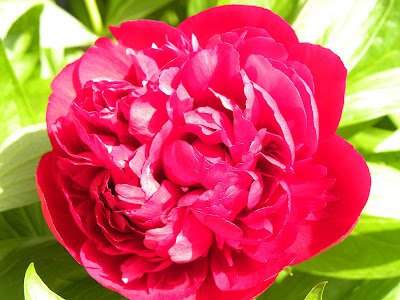
The red Peony is always the first to bloom in my garden: the bud and then the flower.

The delicate Corn Flower bud and below the flower.


The last spring and early summer are a wonderful and eventful time in the garden, and probably my favorite time of the year.
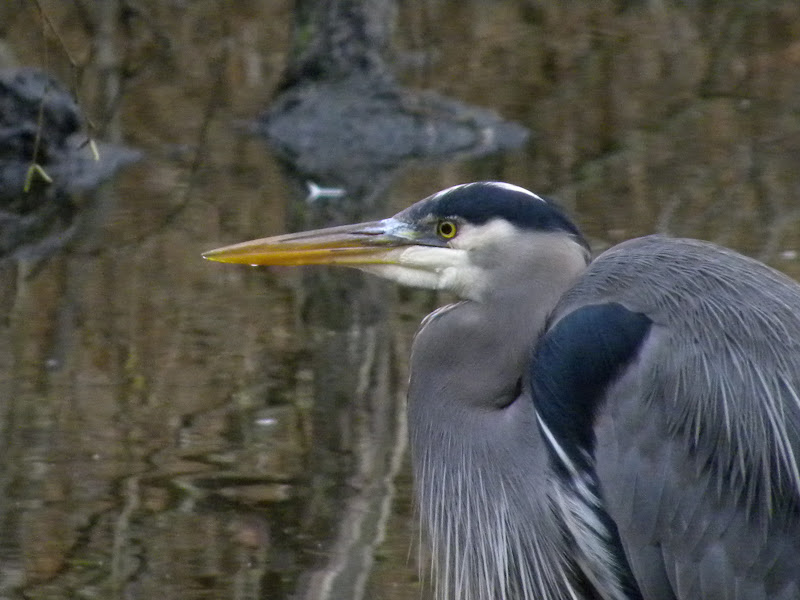
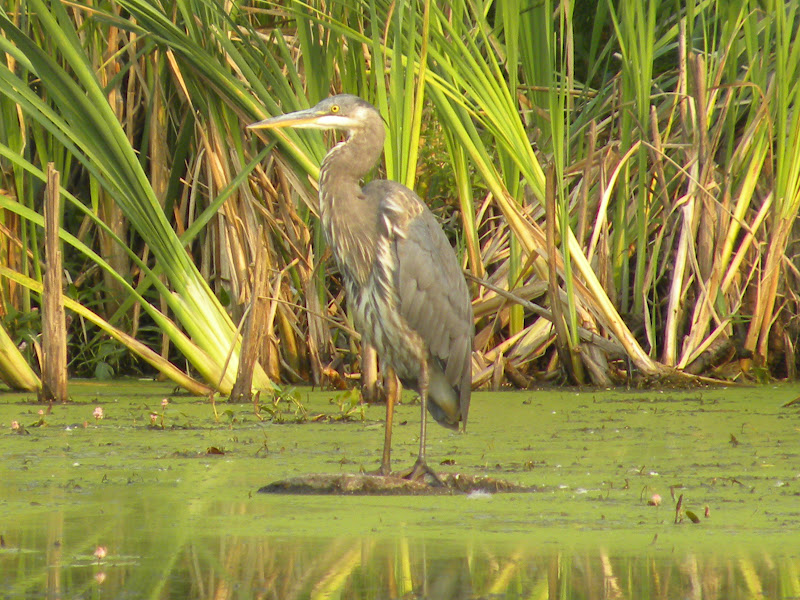
Here is a recently finished watercolour of a Great Blue Heron. I am donating this painting to the Brock House Summer Fair Art Sale.

Thank you for dropping by, and Happy Whimsy Wednesday, until next week ...
In the garden the perennials are set to burst into bloom. Below the flowering stems of the succulent "Hen and Chickens"; neither a real hen or a chicken but a succulent that spreads when tiny versions of the parent plant, the chickens, spring from all around the parent looking like a mother hen attempting to shelter its chicks.

The last few Camillia blooms. This year we have had hundreds of blooms on our Camelia bushes.

The lilac is just flowering, a beautiful and fragrant addition to the garden.


The apple trees are covered in flower, hopefully leading to abundant apple crops this fall.

The wild lupins at the beach and in the park are just starting to bloom in beautiful blues, pinks and purples.


The Horse chestnut trees are in flower with their wonderful, delicate blooms.


The buttercups are bursting into bloom too, beautiful buttery yellows shining in the sunshine.


When my Wisteria died back a couple of years ago, I was worried that it had died, but it has since regrown (from below the graft I believe) and is flowering robustly again this year. It provides a wonderful sweet fragrance at this time of year and then a welcome shade on our patio throughout the summer.

In the park the Wild Roses are in bloom, so elegant, so understated, so beautiful.


At the pond in the park the Redwing blackbirds are busily looking after their nestlings; here I strayed a little too close to the nest and attracted the attention of both the male and female Red wings:


The Canada Geese float elegantly on the pond.


Back at home this Downy Wodpecker is enjoying the suet that I have left out.


More succulents flowering.

The red Peony is always the first to bloom in my garden: the bud and then the flower.


The delicate Corn Flower bud and below the flower.


The start of the Day Lilies; as the name implies each flower lasts only a day.

The last spring and early summer are a wonderful and eventful time in the garden, and probably my favorite time of the year.
Here is a recently finished watercolour of a Great Blue Heron. I am donating this painting to the Brock House Summer Fair Art Sale.

Thank you for dropping by, and Happy Whimsy Wednesday, until next week ...